


How to Reduce Shipping Damage with Mailers by Choosing the Right Material
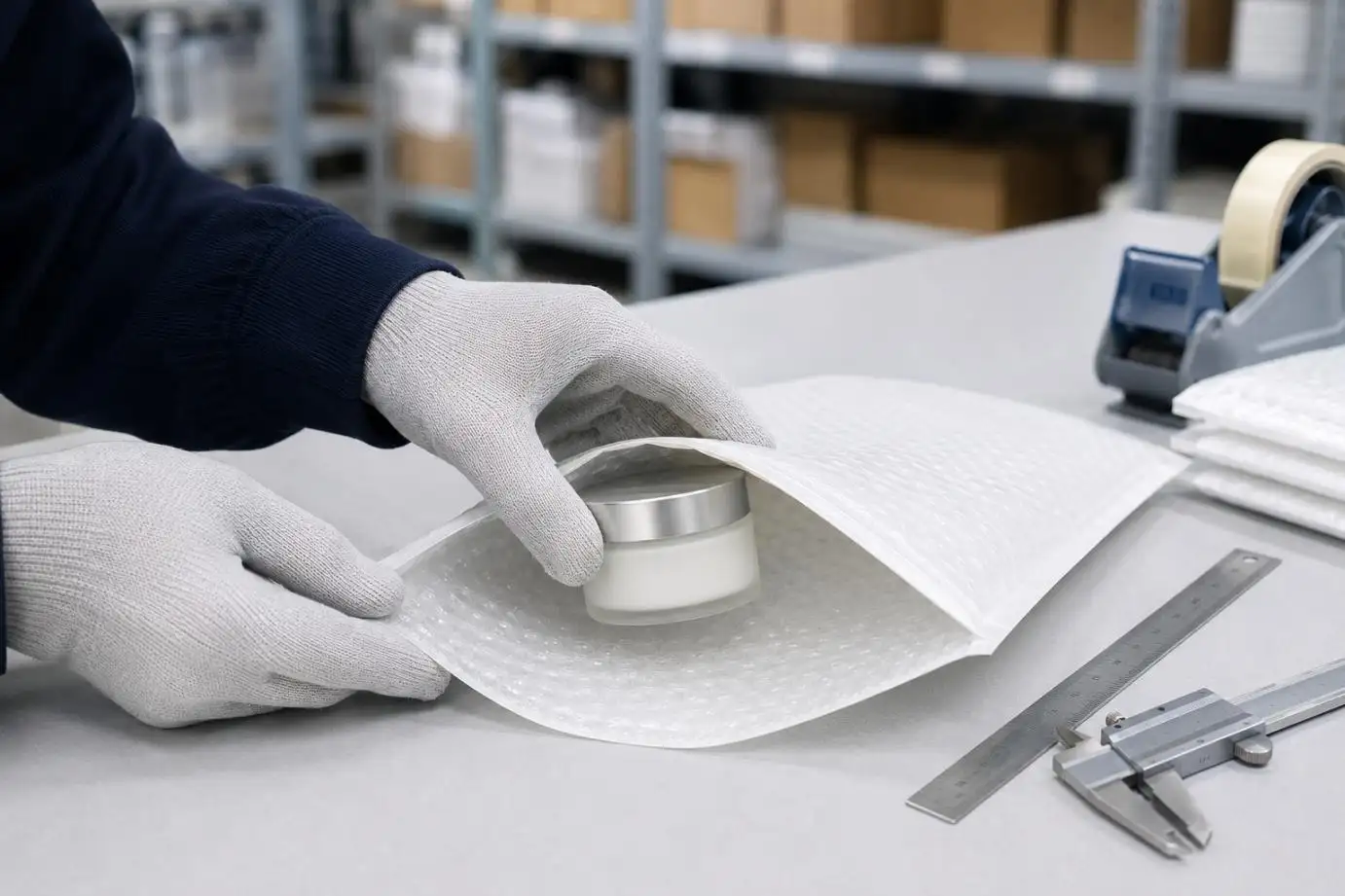
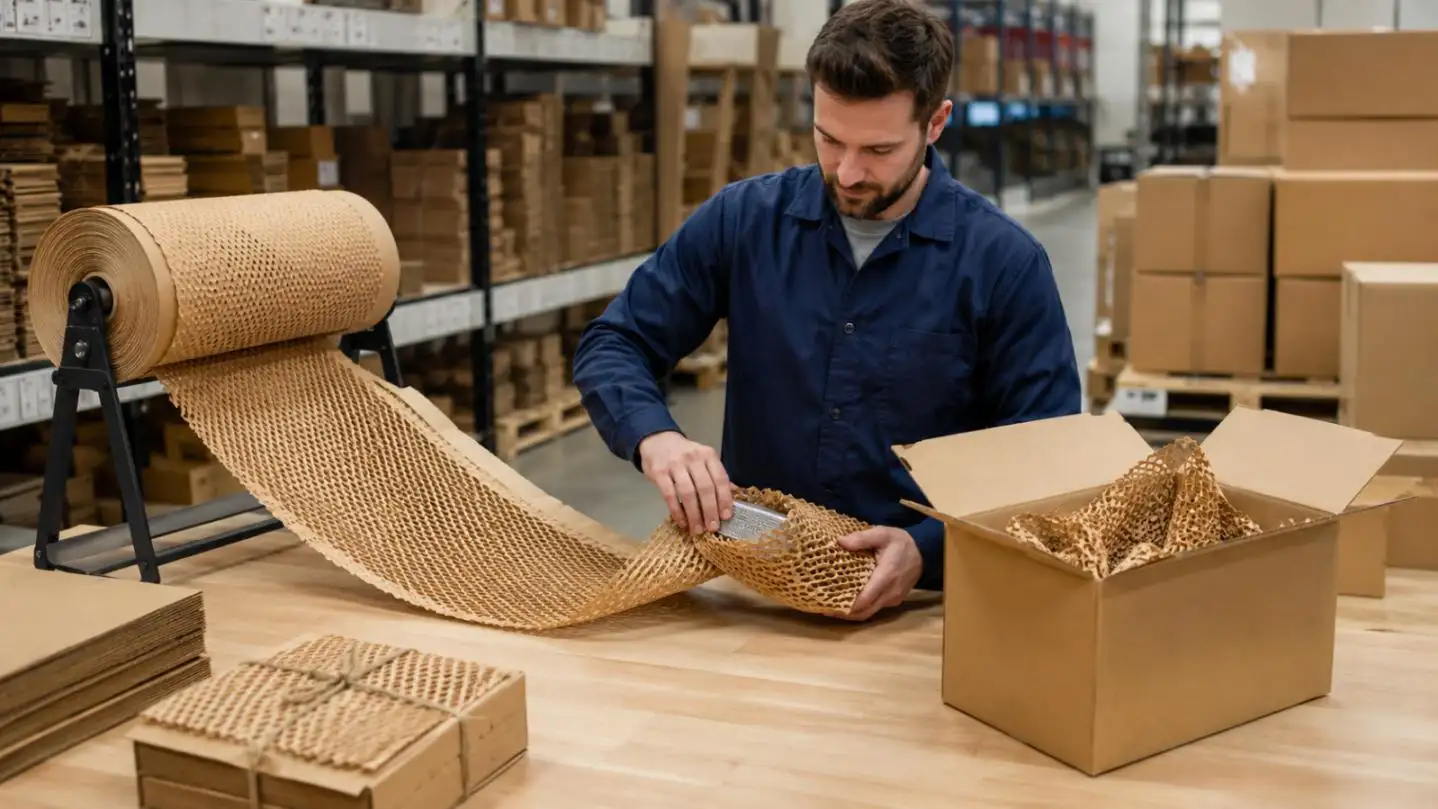
At GT GROUP, we treat shipping damage as a packaging-system problem rather than simply a material-thickness problem. The practical answer to How to Reduce Shipping Damage with Mailers is to match the outer layer, cushioning structure, seams, closure and finished size to the product and its distribution hazards.
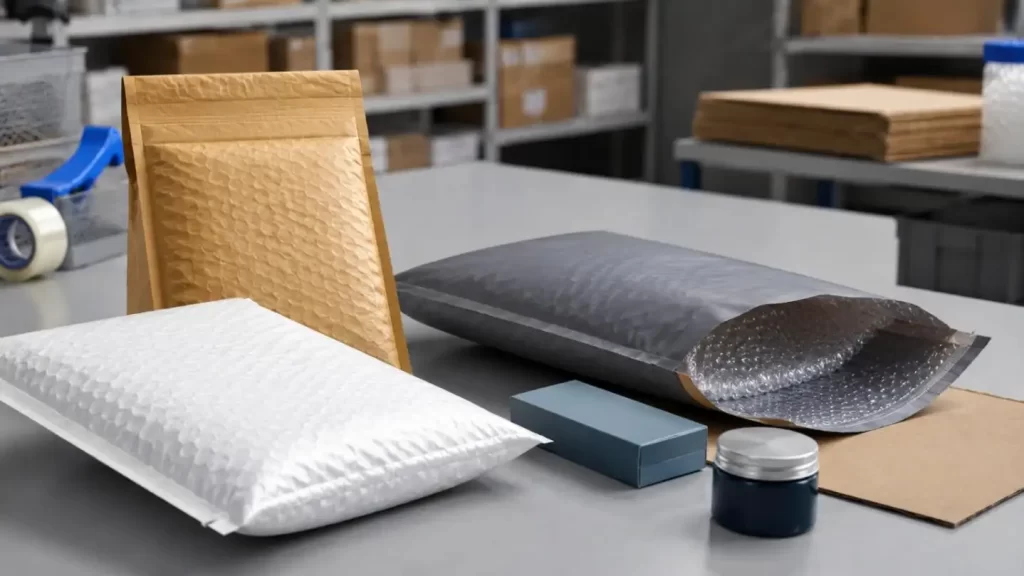
A mailer that works for apparel may fail with a metal accessory. Likewise, a strong film cannot prevent damage if the product moves excessively or the cushioning collapses under repeated compression.
Start with the Damage Mode
Before specifying a mailer, identify how the product is most likely to fail.
| Distribution hazard | Typical damage | Required packaging performance |
| Drops and conveyor transfers | Cracks, dents and broken components | Impact absorption and cushioning retention |
| Vehicle vibration | Surface abrasion and component movement | Close fit and internal restraint |
| Parcel compression | Crushed products and flattened cushioning | Compression recovery or rigid support |
| Sharp edges | Punctured material and split seams | Puncture resistance and reinforced wrapping |
| Rain and humidity | Softened paper, damaged labels or wet contents | Moisture-resistant outer layer |
| Automated sorting | Open seals and torn edges | Reliable adhesive, seam strength and consistent dimensions |
| Repeated handling | Scuffing and cosmetic damage | Abrasion-resistant interior and exterior |
This diagnosis is the foundation of How to Reduce Shipping Damage with Mailers. It also prevents overpackaging: the goal is not maximum material use, but adequate protection against defined hazards.
Compare Mailer Materials by Function
Material names alone are not enough. Paper grammage or film thickness should be assessed together with tear strength, puncture resistance, lamination quality and cushioning performance.
| Mailer structure | Primary strengths | Technical limitations | Typical applications |
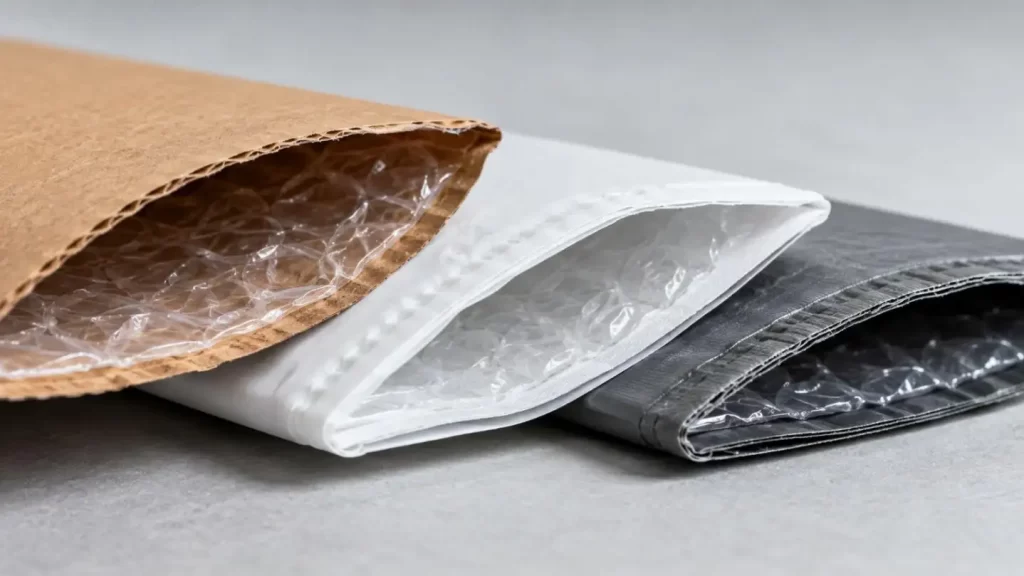
| Kraft paper with bubble lining | Impact cushioning, good print surface and paper appearance | Paper exterior is more sensitive to prolonged moisture | Jewelry, cosmetics, gifts and small accessories |
| Co-extruded poly film with bubble lining | Moisture, tear and impact resistance | Recycling depends on the complete material structure and local system | Electronic accessories and multi-stage parcel delivery |
| Composite film bubble mailer | Higher puncture resistance and surface durability | May use more material than a standard lightweight mailer | Hard, irregular or moderately sharp items |
| Honeycomb or paper-padded mailer | Fiber-based cushioning and abrasion protection | Requires validation for concentrated loads and sharp edges | Books, stationery and lightweight retail goods |
| Cardboard or corrugated envelope | Bending and compression resistance | Less flexible and generally heavier | Documents, photographs and flat components |
| Unpadded poly mailer | Low weight, flexibility and moisture protection | Minimal impact and compression protection | Apparel and other soft products |
GT GROUP manufactures Regular Bubble Mailers with kraft paper or poly-based outer materials and an internal bubble lining. Within this category, we offer kraft, composite-film, co-extruded-film and other surface structures so buyers can select protection according to the shipment—not merely its appearance.
Build a Product Risk Profile
When customers ask us How to Reduce Shipping Damage with Mailers, we first review the following variables.
Product Weight and Geometry
Weight affects seam loading and closure stress. A compact metal component may place more pressure on a mailer than a much larger textile product. Irregular shapes and protruding corners also create concentrated puncture points.
Fragility and Surface Sensitivity
Bubble lining can reduce impact and abrasion for jewelry, cosmetic containers, accessories and small electronic products. However, highly fragile items may still need individual wrapping, a rigid insert or a corrugated box.
Moisture and Contamination Exposure
Poly and composite-film exteriors are generally more suitable for wet or high-humidity routes. Kraft exteriors can provide a natural paper appearance, but their performance should be checked under the actual storage and delivery conditions.
Route and Handling Intensity
Long routes, multiple hubs and automated sortation increase exposure to drops, compression and friction. For demanding parcel networks, puncture resistance, seam strength and cushioning retention become more important than appearance alone.
Sustainability and End-of-Life Requirements
Material reduction should be based on verified performance. A lighter mailer that produces more damaged orders may increase total material use through replacements and reshipping. Recycling statements must consider the entire structure, including linings, films, adhesives and local collection systems.
Select the Material by Product Type
| Product condition | Main risk | Recommended direction |
| Soft, lightweight and non-fragile | Moisture and tearing | Unpadded poly mailer |
| Small and moderately fragile | Shock and abrasion | Bubble-lined kraft or poly mailer |
| Hard with irregular edges | Puncture and seam failure | Composite or reinforced poly bubble mailer |
| Flat and bend-sensitive | Creasing and compression | Cardboard or corrugated envelope |
| Moisture-sensitive | Water exposure | Co-extruded or composite-film exterior |
| High-value and highly fragile | Multiple failure modes | Rigid box with engineered internal cushioning |
This table is a starting point, not a substitute for testing. Sensitive electronics may require antistatic packaging, while liquids need leak containment in addition to external protection.
Specify More Than the Outer Material
A professional mailer specification should address the complete structure:
• Outer film thickness or paper grammage;
• Tensile, tear and puncture resistance;
• Bubble diameter, height and air retention;
• Bond strength between the outer layer and bubble lining;
• Side-seam width and loaded seam performance;
• Adhesive closure width, tack and aging stability;
• Finished internal dimensions and usable opening;
• Print and label adhesion;
• Packed weight and distribution temperature range.
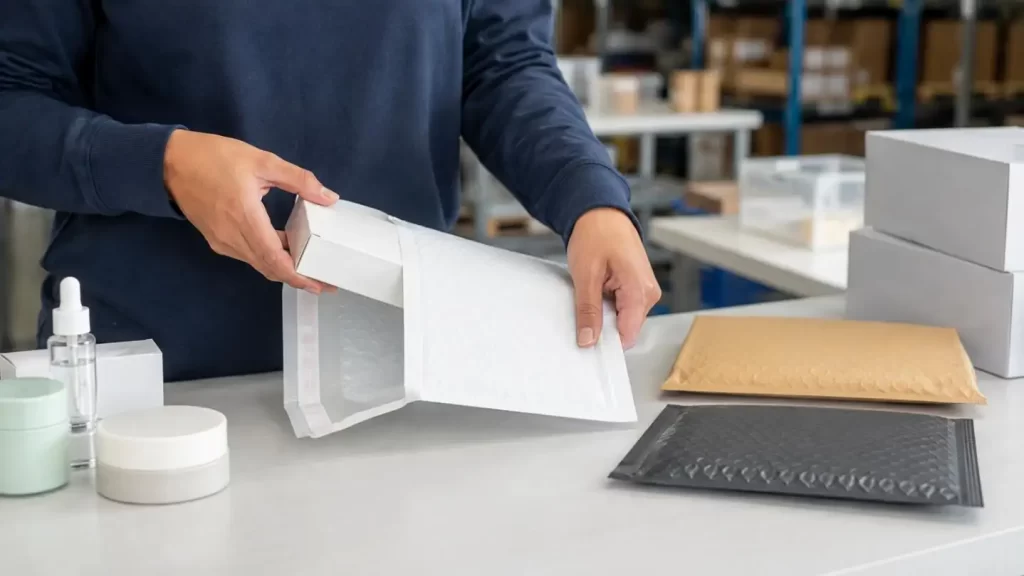
GT GROUP's self-adhesive bubble mailers are designed for efficient packing and secure closure. During customization, dimensions should be based on the packed product—not only its nominal length and width. Excess clearance permits movement, while an undersized mailer compresses the bubbles and continuously loads the seams.
Validate the Finished Package
The next stage in How to Reduce Shipping Damage with Mailers is testing the actual mailer-product combination.
A practical validation sequence includes:
- Condition samples at expected temperature and humidity;
- Perform face, edge and corner drops;
- Simulate vibration and inspect product movement;
- Apply compression representative of parcel stacking;
- Check punctures, bubble collapse, seam opening and adhesive lifting;
- Run pilot shipments through the intended carrier network;
- Record failures by cause rather than using only pass/fail results.
Common Specification Errors
Businesses often increase damage risk by:
• Selecting material according to unit price alone;
• Using one mailer structure for every product;
• Assuming thicker material automatically means better protection;
• Ignoring sharp edges and concentrated loads;
• Leaving excessive internal space;
• Testing material samples without the actual product;
• Using flexible mailers where rigid protection is required.
Choose Materials from the Shipment Backward
Ultimately, How to Reduce Shipping Damage with Mailers depends on connecting the product's failure modes with measurable material and structural performance. GT GROUP can support buyers in comparing kraft, poly, co-extruded and composite-film bubble mailers, adjusting sizes and evaluating samples with their actual products.
Before bulk production, contact GT GROUP to discuss the product, packed weight, delivery route and damage history. A properly specified sample provides a more reliable basis for purchasing than choosing a mailer from material descriptions alone.
FAQs
Q1. What types of protective mailers does GT GROUP offer?
GT GROUP offers kraft bubble mailers, co-extruded film bubble mailers, composite-film bubble mailers, metallic and pearl-film mailers, zipper bubble bags and other protective mailing solutions.
Q2. How does GT GROUP help customers choose the right mailer material?
GT GROUP evaluates the product's dimensions, packed weight, fragility, sharp edges, moisture sensitivity and shipping route. These factors help determine the appropriate outer material, cushioning structure, size and closure.
Q3. Can GT GROUP customize bubble mailer sizes?
Yes. Mailer dimensions can be adapted to the packed product and required internal clearance. Customers should provide product dimensions, packed thickness and weight so the usable internal size can be calculated correctly.
Q4. Does GT GROUP provide custom printing for bubble mailers?
GT GROUP supports customized surfaces and printing for suitable mailer structures. Printing requirements should include artwork, colors, print coverage, positioning and expected order quantity for production assessment.
Q5. What is the difference between GT GROUP kraft and poly bubble mailers?
Kraft bubble mailers provide a paper exterior and internal impact cushioning. Poly-based mailers generally offer better resistance to moisture and tearing. The appropriate choice depends on the delivery environment, product sensitivity and end-of-life requirements.
Share on Social:


